
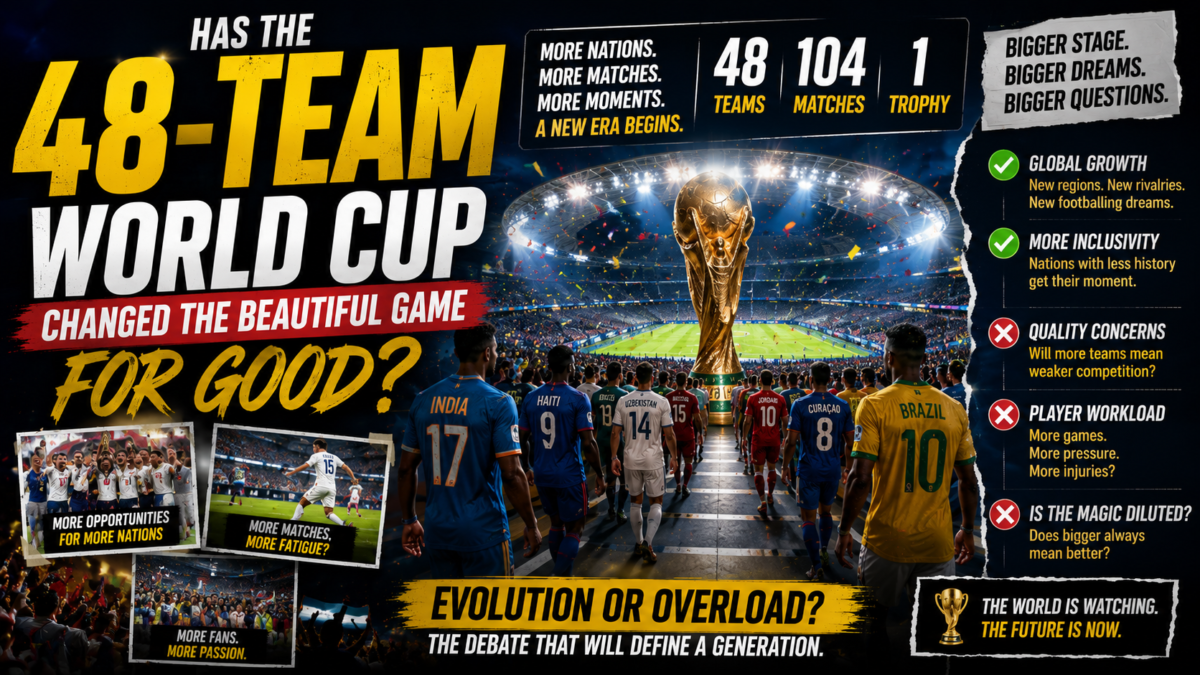
With only seven matches left in the first 48-team World Cup, the argument that has followed this tournament since the format was announced can finally be tested against evidence. Critics predicted a bloated, diluted competition. Romantics promised new nations and new stories. A month and nearly a hundred matches later, both were partly right.
The Case for the Defence
The romance is difficult to deny. Cape Verde's run from debutants to the round of 16 gave the expanded field its signature fairytale, and they were not alone: this World Cup produced knockout appearances from nations that would never have survived the old qualification arithmetic. The group stage delivered genuine upsets rather than processions, Paraguay’s penalty defeat of Germany chief among them, and the record five-million-plus attendance suggests the public’s appetite comfortably absorbed the extra fixtures.
The new round of 32 also solved a problem the old format never could. Third-placed teams now earn their knockout place through a real bracket rather than a mathematical lottery, and several of the tournament’s best matches came in that added round, when underdogs with nothing to lose met favourites not yet at full throttle.
The Case for the Prosecution
The sceptics have ammunition too. The group stage produced a handful of lopsided scorelines that did little for the neutral, and the tournament’s record-breaking count of own goals hints at a widened gap between the elite and the newly admitted. Al Jazeera’s much-shared essay this week asked what happened to the beautiful game over fifty years of expansion and commercialisation, and the question lands: a 104-match tournament is a broadcasting product first and a sporting festival second, however good the football.
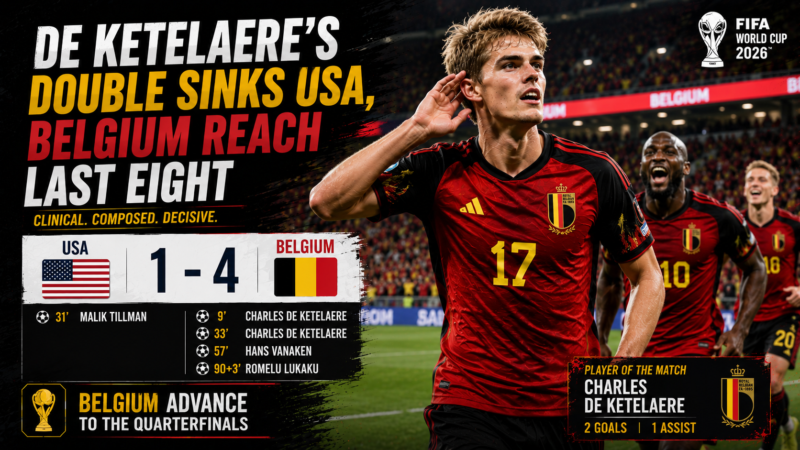
And for all the new faces in June, July looks familiar. The quarterfinal lineup featured six European sides plus Argentina and Morocco, a distribution barely distinguishable from the 32-team era. Expansion, on this evidence, widens the middle of the tournament without touching its summit.
An Honest Verdict
Perhaps that is the fairest reading: the 48-team World Cup is two tournaments in one. The first fortnight belongs to the newcomers, the packed stadiums and the possibility of chaos. The business end belongs, as it always has, to the same dozen federations. Whether that trade is worth it depends on what you believe a World Cup is for, and this edition has given both camps their best evidence yet. What is settled is that there is no going back. The 2030 centenary edition will use this format across three continents, and the sport’s task now is to close the gap the expansion exposed, so the fairytales of June can survive a little deeper into July.

Leave a Reply